
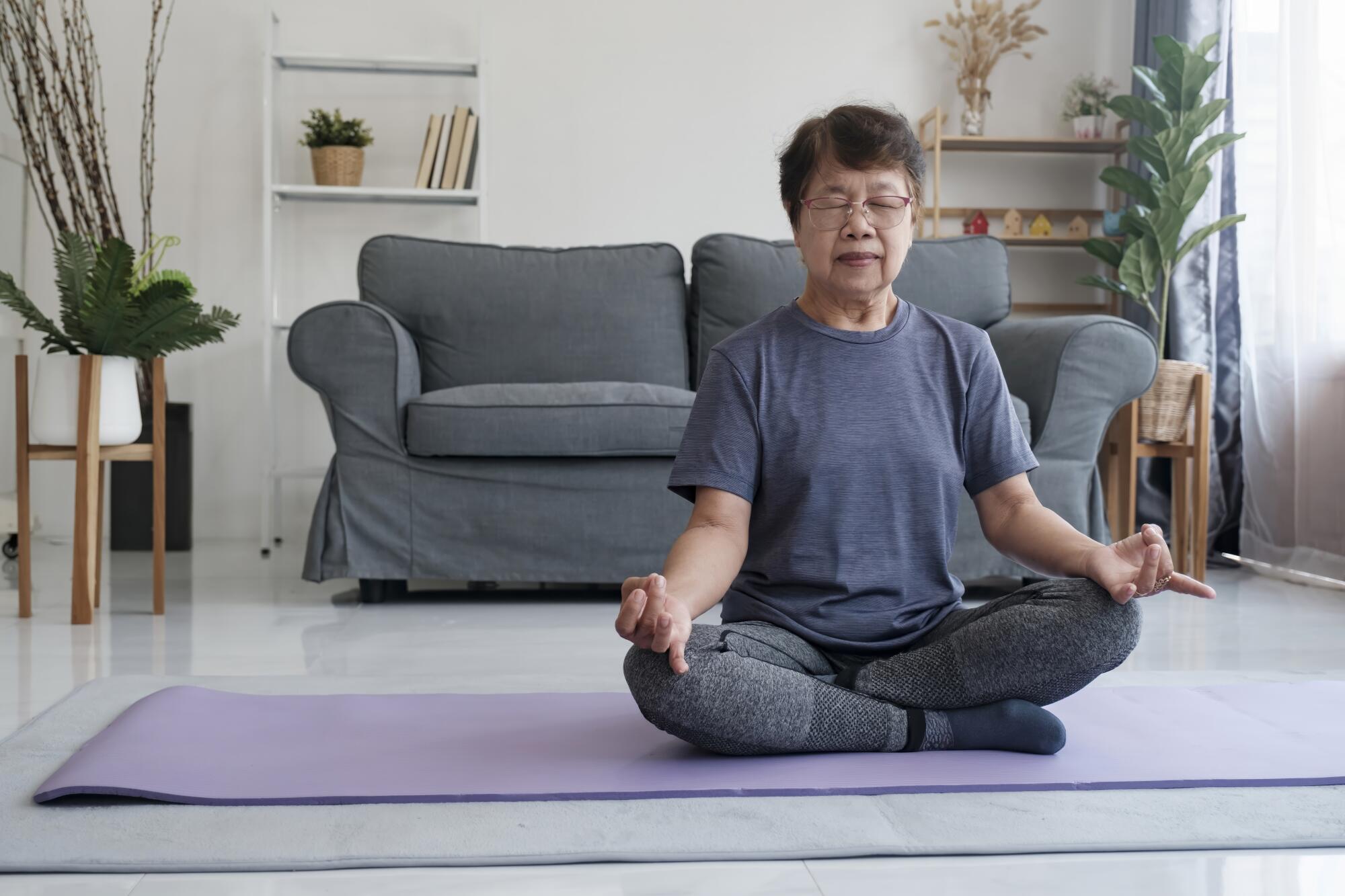
Aging encourages reflection on purpose and peace. Independent living communities that support spiritual health through reflection, gratitude, and connection help seniors find balance and belonging without relying on medication. This new spiritual outlook can improve emotional wellness and overall quality of life.
Getting older really makes you pause and think about what actually matters in life. You start to question what your contributions have been and what you still want to achieve. This stage of life is a prime time to explore deeper meaning and find new sources of purpose.
According to Carl Jung, in later life, the mind naturally turns toward spiritual health as part of psychological well-being. Independent living communities that support spiritual growth help residents in Voorhees, NJ, find balance and fulfillment.
What Is the Meaning of Spiritual Health?
So what exactly do we mean when we talk about spiritual health? It’s a hard question to answer definitively, because everyone has different ideas. Here in Voorhees, NJ, many have spiritual beliefs based on Christianity, but having faith in retirement doesn’t necessarily mean becoming a Christian.
Personal growth in aging is about finding a sense of meaning by connecting with something greater than yourself. Finding a new appreciation for your religion, or converting to a new one, is one way to undertake this spiritual transformation.
But achieving good spiritual health sometimes comes from finding a new philosophical perspective. For example, according to E. MacKinlay, seniors who engage in spirituality can experience better well-being, resilience, and dignity in later life. This can be achieved by integrating spiritual care across disciplines, meaning that it goes beyond religious boundaries, allowing seniors to find meaning, identity, and connection.
Finding new philosophical ideas can change the way we think about aging. A study by Coelho-Júnior et al. found that older people who practice religion or spirituality have fewer signs of anxiety and depression and feel better emotionally. This suggests that spiritual health often means finding new ideas and perspectives rather than finding religion.
The Seven Foundational Pillars of Spiritual Wellness
There are seven core spiritual needs that form the foundation of emotional wellness for older adults. These needs are universal, non-religious, and often become stronger with age. Meeting them helps protect against isolation and depression:
- Meaning and Purpose: Seniors need to reflect on their life so far and reflect on the significance of their experiences.
- Love and Connection: Building and maintaining close relationships helps support emotional well-being and reduce loneliness.
- Forgiveness: Finding ways to make peace with the past brings emotional relief.
- Hope and Trust: Feeling safe, supported, and optimistic about the future makes people better able to deal with future challenges.
- Belonging: Staying connected to a community makes people feel valued and connected.
- Transcendence: Spiritual moments that lift the spirit and connect to something greater.
- Inner Peace: Spiritual growth can free seniors from anxiety and anger, enabling them to live with purpose.
Addressing these seven pillars is essential for becoming the best version of yourself in later life. When seniors embrace these core needs, they often discover renewed vitality and pleasure in their daily routines. The result is a profound contentment and enduring emotional stability.
Mental Wellness Without Resorting to Medication
According to Hélio José Coelho-Júnior et al., one of the significant advantages of holistic senior living, which focuses on spirituality, is that it facilitates mental wellness without the need for medication. Seniors suffering from low mood or frequent anxiety often find themselves with a prescription for Prozac or any other antidepressant.
While these treatments can be effective, these medications often have undesirable side effects. Instead of relying on pills, seniors could turn to spiritual development, which can provide a profound sense of meaning, purpose, and community, directly enhancing their emotional and psychological health.
Frequently Asked Questions
What Are Three Examples of Spiritual Health?
Spiritual health can be seen in everyday actions that promote peace and purpose:
- Practice Gratitude: Practicing gratitude each day builds awareness of life’s blessings and strengthens inner peace.
- Connect With Nature: Spending time in nature fosters mindfulness and connection to something larger than yourself.
- Serve Others: Serving others through volunteering or mentorship cultivates compassion and purpose.
Together, these habits help those in senior living communities nurture emotional balance and a deeper sense of fulfillment. By mastering these spiritual practices, seniors can get more in touch with themselves and enjoy the best version of themselves in retirement.
How to Overcome Spiritual Suffering?
Overcoming spiritual suffering involves awareness, connection, and forgiveness:
- Acknowledge Pain: Honest reflection helps identify the source of spiritual distress.
- Seek Support: Guidance from trusted friends, counselors, or spiritual mentors provides perspective and relief.
- Practice Forgiveness: Letting go of guilt and embracing self-compassion restores emotional balance.
By embracing these steps, individuals gradually rebuild inner peace and meaning. It’s not uncommon for people who experience significant spiritual suffering to come out of the experience with a stronger faith or renewed ideas about their spirituality.
What Is the 21-Day Spiritual Reset?
A 21-day spiritual reset is a focused period for renewal and alignment:
- Meditate Daily: Consistent meditation quiets the mind and strengthens focus.
- Reflect and Give Thanks: Reflection and gratitude clarify values and goals.
- Establish Mindful Routines: Intentional daily habits encourage calm and purpose.
After three weeks, these consistent practices often bring a sense of clarity, peace, and a deeper spiritual connection and understanding.
Discover Emotional Wellness at Seaton Voorhees
Aging invites reflection on what truly gives life meaning. Many older adults begin seeking peace, connection, and purpose beyond religion.
Independent living communities that encourage reflection, gratitude, and belonging help residents find balance and fulfillment without relying on medication. This holistic focus on forgiveness, inner peace, and connection strengthens emotional resilience and supports overall well-being.
Are you looking for a senior living community that promotes spiritual health at Seaton Voorhees? Here at Seaton Voorhees, we’re committed to promoting physical, spiritual, and emotional wellness for seniors using evidence-based best practices. Our residents enjoy religious services and activities like yoga.
The best way to learn more about the ways we promote spiritual health is to see our pet-friendly community for yourself. Contact us today, and let’s set up a tour.